A rhinoplasty doesn't end when you leave surgery. That day marks the beginning of an equally important phase: the recovery period. During the first few weeks, your nose will go through normal changes such as swelling, congestion, sensitivity, bruising, and the gradual settling of the tissues. Later on, even when you look better and resume many of your activities, your nose will continue to de-swell and refine its shape for months.
Post-operative check-ups are not just a formality; they are the way to ensure your nose is healing properly, answer any questions, adjust instructions, detect any warning signs early, and monitor the progress of your results.In rhinoplasty, patience matters, but so does medical follow-up. A good surgery requires good check-ups to protect the work done in the operating room.
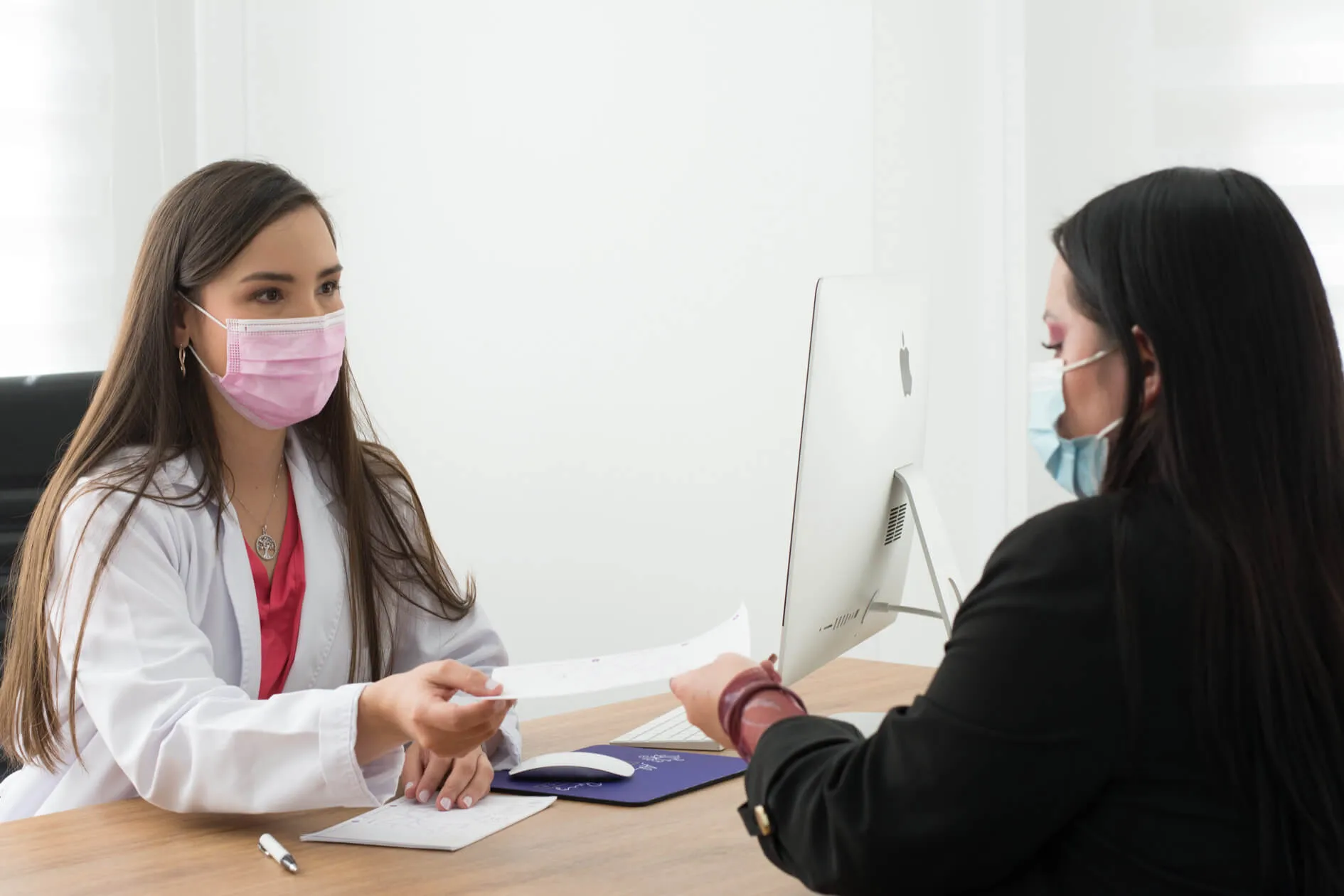
Check-ups after a rhinoplasty are important because they allow us to monitor swelling, healing, breathing, the position of the nasal structures, and the evolution of the results.They also help address common post-operative questions, such as when to remove the splint, when to return to exercise, how to sleep, how to clean your nose, what to do about congestion, and when to be concerned about a symptom.
Skipping check-ups can cause a minor issue to go unnoticed, lead to continuing care routines that should have already changed, or cause the patient to interpret something that is actually a normal part of recovery as a "problem."
Each check-up focuses on a different stage of recovery. Not all appointments have the same goal. During follow-up, we may evaluate:
We also address questions regarding physical activity, diet, sleep, medication, sun exposure, wearing glasses, and returning to your routine.
The first few days after rhinoplasty are usually the most uncomfortable. You may experience swelling, congestion, pressure, bruising around the eyes, mild discharge, or a stuffy nose. During this visit, we check that your initial recovery is progressing well and that you are following all instructions correctly. It is also the time to confirm how to clean your nose, how to sleep, which medications to take, what to avoid, and which symptoms to monitor.
It is normal for your nose not to look "pretty" in the first few days. The priority at this stage is not to evaluate the final result, but to ensure a proper initial recovery.
The first week is usually one of the most important moments of the postoperative period. In many cases, this is when we check the splint, bandages, any stitches, and the overall progression of the swelling. For many patients, this check-up is emotionally significant because it marks the first look at the new shape of the nose, even though swelling is still present.
It is essential to understand one thing: when the splint is removed, the nose is not at its final result. It may look swollen, stiff, wide, or lack definition. This does not mean the result is poor; it means the healing process is just beginning.
Splint removal is a highly anticipated moment, but it can also cause anxiety. Many patients believe they will see the final result that day, but that is not the case. The splint protects the nose during the initial stage, and upon removal, you begin to see an early shape, still influenced by swelling and normal healing changes.
The tip may look more swollen. The bridge may feel sensitive. The skin may have marks from the bandages. The nose can change significantly between morning and night. Therefore, this follow-up is used to explain what is normal, what care is needed next, and what expectations to have for the coming weeks.
After the splint is removed, the nose continues to de-swell. During this stage, follow-up appointments help ensure that healing is progressing well and that there are no signs of infection, abnormal bleeding, excessive swelling, or breathing issues.
Every patient recovers differently. Some experience reduced swelling faster, while others take longer, especially if they have thick skin, a secondary rhinoplasty, or significant work done on the nasal tip.
Rhinoplasty has a progressive recovery. Although many patients feel much better after the first few weeks, the nose continues to change for months.
Deep swelling takes longer to subside, especially in the nasal tip. The skin must adapt to the new structure, internal scars mature, and tissues settle little by little. For this reason, it is not recommended to judge the result too soon.
During follow-up appointments, we explain which changes are expected, which areas remain swollen, and how the nose is evolving based on the skin type and the procedure performed.
Swelling is normal after a rhinoplasty. Not all patients swell the same way, and not all noses de-swell at the same rate. During the consultation, we check if the swelling is within the expected range and if your aftercare is helping the process progress correctly. We can also provide guidance on habits that promote a better recovery, such as avoiding direct sunlight, alcohol, premature exercise, impacts, touching your nose, or sleeping in positions that increase swelling.
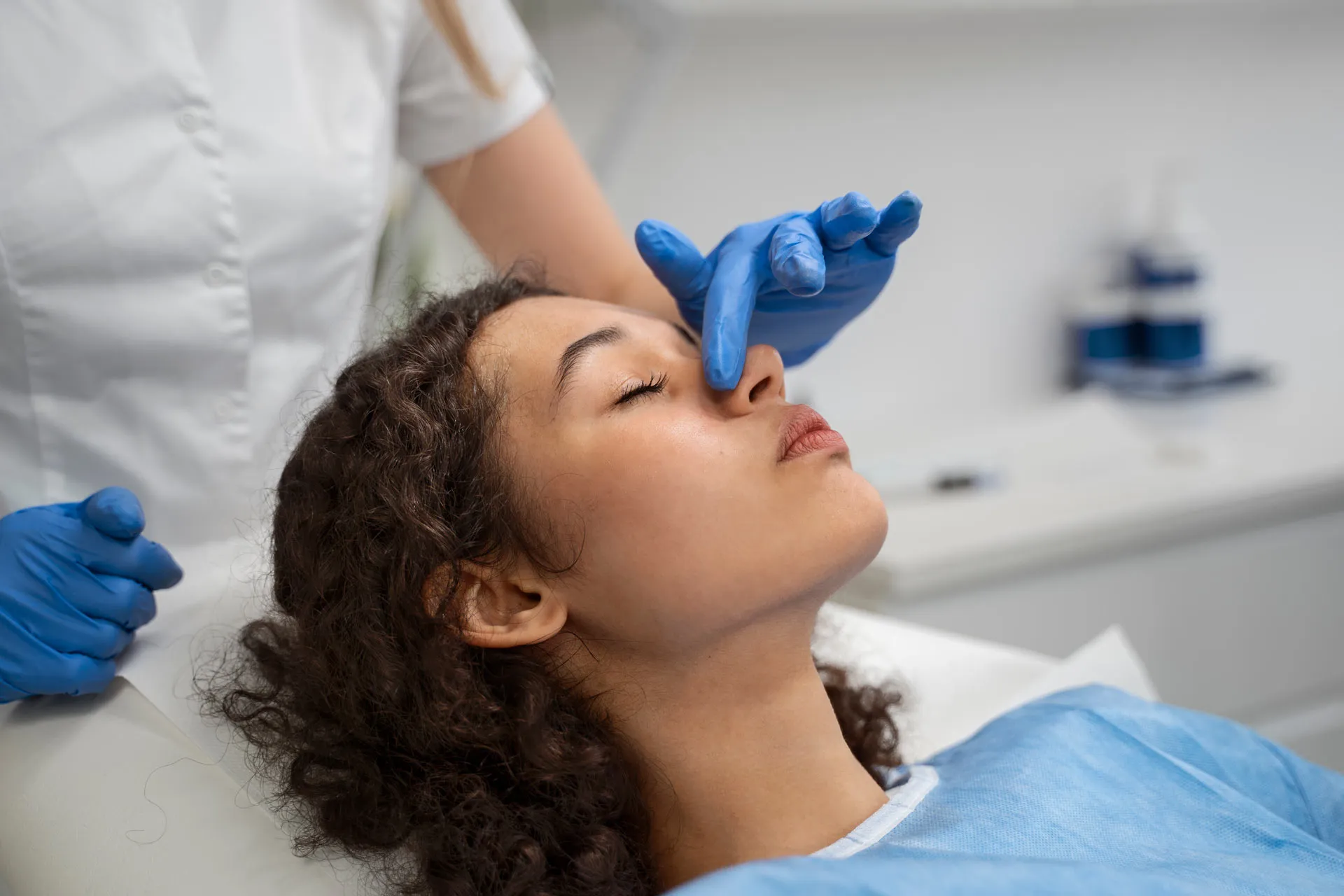
Medical follow-up allows us to distinguish between normal swelling and signs that require attention. Breathing check-ups after rhinoplasty. After a rhinoplasty You may experience nasal congestion, crusting, internal inflammation, or a feeling of a blocked nose. In many cases, this is part of the normal recovery process; however, breathing should be monitored, especially if the surgery included functional management, septoplasty, correction of a deviated septum, or internal nasal work.
During follow-up appointments, we check how the patient is breathing, whether there is persistent obstruction, if cleaning is being done correctly, and if adjustments to the instructions are needed. It is not recommended to self-medicate, use nasal drops without authorization, or manipulate the inside of the nose.
Healing after rhinoplasty occurs both externally and internally. When an open rhinoplasty is performed, there may be a small incision on the columella, the area between the nostrils. This scar usually heals discreetly, but it requires proper care. Additionally, tissues are also healing on the inside. The patient may experience crusting, sensitivity, congestion, or temporary changes in sensation.
During follow-ups, we ensure that healing is progressing well and explain the necessary care to avoid irritation, excessive manipulation, or the use of unapproved products.
The return to exercise must be gradual and authorized during a consultation. Even if the patient feels well, exercising too soon can increase inflammation, bleeding, pressure, or the risk of injury. In general, light activities are resumed before intense exercise. Contact sports, high-impact training, or activities where there is a risk of hitting the nose require more time. Authorization depends on the patient's progress, the type of surgery, and how each patient is healing.
The number of follow-ups depends on each individual case.A primary rhinoplasty may require different follow-up than a secondary rhinoplasty. A patient with thick skin may need longer observation than a patient with thin skin. A simple cosmetic surgery is not monitored the same way as a surgery that also corrected breathing.
In general, follow-ups are scheduled during the first few weeks, followed by more spaced-out appointments to monitor the evolution of the results.The important thing is not to view follow-ups as a formality, but to understand that each appointment has a purpose: to protect your recovery and support your results..
Skipping your follow-up appointments can affect your recovery. It may prevent the timely detection of issues such as scarring, inflammation, infection, obstruction, bleeding, improper internal cleaning, or inadequate aftercare. It can also cause unnecessary anxiety, as many patients mistake normal recovery changes for complications.
Follow-up appointments help you know what to expect, what to avoid, and when you can move on to the next stage. Warning signs after rhinoplasty: After a rhinoplasty, seek medical attention immediately if you experience:
Do not wait for a warning sign to "go away on its own." If you have any doubts, it is best to consult your doctor.
If you are traveling to Bogotá for a rhinoplasty, postoperative follow-ups are even more important. Before returning to your city or country, it is necessary to ensure that your initial recovery is progressing well, that there are no warning signs, and that you have clear instructions for continuing your recovery at home. You should also know what precautions to take during your flight, when to resume your activities, and how to get in touch if you have any questions after you travel.
A rhinoplasty for international patients must be planned well in advance to allow enough time for the surgery, initial recovery, and follow-up appointments before returning home. Patience is also a part of the postoperative process.
Your nose will not show its final result in a week or even a month. During the process, there may be days with more swelling, areas that subside faster than others, a feeling of stiffness, or changes that appear and disappear. All of this can be normal. That is why follow-up appointments also serve an important purpose: to provide emotional support to the patient, explain the process, and prevent hasty conclusions.
The final result takes time, but that time must be accompanied by medical supervision. Follow-up appointments are also part of the result. Rhinoplasty does not end on the day of surgery; the result is also built during the recovery period. Attending your follow-up appointments is not optional: it is an essential part of protecting your surgery and experiencing your recovery with greater security and peace of mind.
If you are thinking about having a rhinoplasty in Bogotá, schedule a consultation. During the consultation, we will review your case, your goals, and the most appropriate surgical plan, including how your follow-up care will be managed after the surgery.

Agenda una consulta de valoración y recibe una atención personalizadaSchedule an assessment consultation and receive personalized attention to design a plan that enhances your beauty with confidence and confidence. Your dream result starts here!
¡Tu resultado soñado comienza aquí!